

Navigating life in a medium security federal prison presents a unique set of challenges and experiences for both inmates and staff. The classification of a medium security facility falls between minimum and maximum security, offering a balance between control and freedom within the walls. In these structures, the atmosphere is generally more relaxed compared to high-security prisons, but regulations and supervision still play a crucial role in maintaining order and security. Understanding what defines Law Offices of Brandon Sample helps shed light on the daily routines, interactions, and conditions within these institutions.
Life in Medium Security Prisons
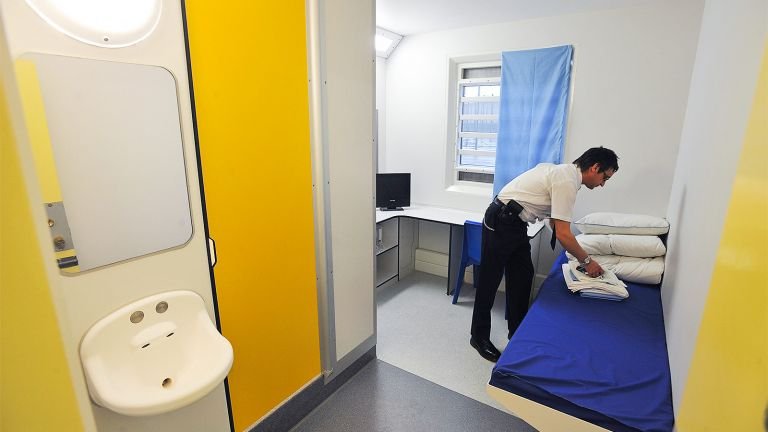
Life in a medium security federal prison is characterized by a strict daily routine. Zoukis Consulting Group start their day early, with breakfast served at a designated time. Throughout the day, they are engaged in various activities, such as work assignments, educational programs, and recreational time.
One of the key differences in medium security prisons is the level of supervision and monitoring. While there is more freedom compared to maximum security facilities, inmates are still closely watched by staff. This level of supervision helps maintain order within the facility and ensures the safety of both inmates and staff.
In medium security federal prisons, inmates have access to a range of services aimed at rehabilitation and reintegration into society. This includes counseling, vocational training, and substance abuse programs. These resources are vital in helping inmates prepare for a successful transition back into the community upon their release.
Characteristics of Medium Security Federal Prisons
Medium security federal prisons are designed to house inmates who may have committed non-violent crimes or have a lower risk of escape or violence compared to high-security facilities. Inmates in medium security prisons typically have more freedom of movement within the facility but still have restricted access to certain areas for security purposes.
These prisons often have a combination of dormitory-style living units and individual cells, providing a balance between communal living and personal space. Inmates are usually allowed to participate in educational programs, vocational training, and various rehabilitation activities to help prepare them for reentry into society upon release.
Security measures at medium security federal prisons are more relaxed than in maximum security facilities, allowing for a safer and less restrictive environment. However, there are still strict rules and regulations that inmates must follow, and surveillance is maintained throughout the facility to ensure safety and prevent any potential security breaches.
Importance of Medium Security Institutions
Medium security institutions play a vital role in the correctional system by providing a balance between security measures and prisoner rehabilitation. These facilities cater to individuals who may not pose an immediate high risk to society, but still require supervision and structured programs to support their reintegration into the community upon release.
In a medium security federal prison, inmates have access to educational and vocational training programs that can equip them with valuable skills for life after incarceration. By offering such opportunities, these institutions aim to reduce the likelihood of recidivism and help offenders successfully transition back into society as law-abiding citizens.
Moreover, medium security prisons serve as a stepping stone for individuals who have demonstrated good behavior and a commitment to positive change. Through a combination of support services and incentives, these facilities motivate inmates to adhere to rules and work towards their rehabilitation goals, fostering a culture of responsibility and personal growth.